
Keven Talks Sails: Dealing with Squalls – To Reef or Not to Reef
January 4, 2023
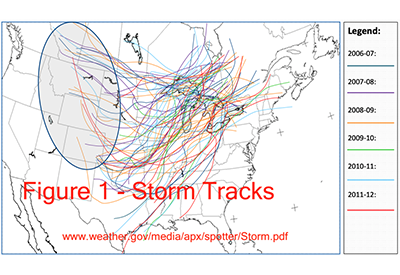
Fig 1: Storm tracks over the Great Lakes
Note: Keven talks about squalls on the Great Lakes, but the advice stands wherever you sail!
If you sail on the Great Lakes long enough, you are going to need to deal with summertime squalls. Because of the landlocked humid continental climate, we see very hot summer temperatures that lead to convective weather events. The warm air and cooler lake temperatures leads to exciting thunderstorm events, often with a dash of waterspouts thrown in just to keep you on your toes.
It adds up to a really interesting place to sail with the very long daylight hours in the summer and the tropical temperatures they give rise to.
Classic Great Lakes storm tracks tend to stream down the lakes from a westerly and mostly south westerly direction. These are the big storms, that we generally are warned about in the forecasts. These larger storms can last for several hours or more. There are also smaller squalls that are more locally developed, forming over the warm land and hitting the lake as a small but violent squall that last only minutes and maybe up to half an hour.
Cruising, racing – surprise!
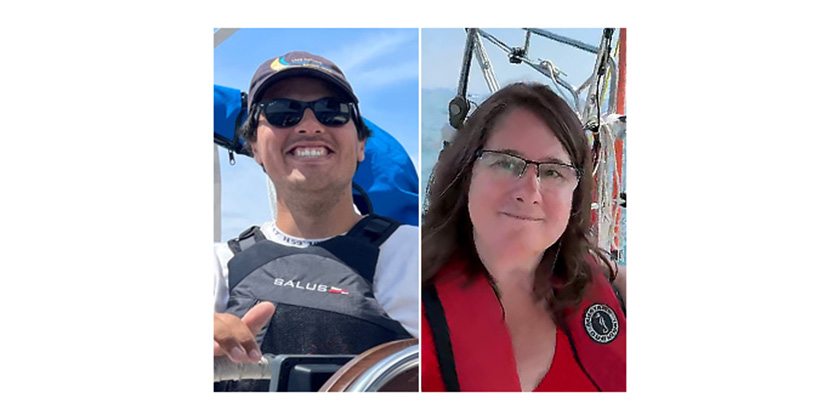
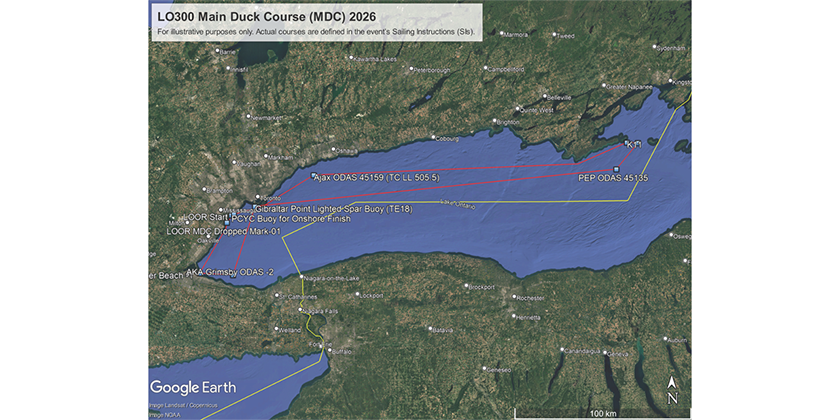
These weather events also tend to be common throughout the entire sailing season, and always seem to interfere with my August sailing trips! This year we sailed through a couple of 30+ knot squalls on a short passage from Port Dalhousie over to Oakville. My son sailed through quite a few of these squalls completing the LO300 this year, most of them in the dark just to make it more fun. These are very common weather events, even the 2022 Chicago Mackinac fleet got blasted.
If you are cruising, faced with a nasty forecast, most will stay tied to their dock or tucked away in a safe anchorage. Unfortunately, the short squalls are almost always in the forecast. Listen to a Lake Erie forecast in July and August and the ominous “chance of isolated thunderstorms” is on repeat nearly every day unless a high pressure and bluebird skies are sitting over your head. Many offshore races, however, aren’t a race unless you leave the dock and go sail. I’m not advocating going out and sailing in terrible storms, just that some preparation and practice would be a good idea for all sailors.
Don’t reef??
As a sailmaker, I have far too many customers both racing and cruising that are proud of the fact that they never reef. The cruiser is proud of this fact because their boat is strong and heavy, and the racer because reefing is an outward sign of weakness. I race and cruise, and I reef sails all of the time. I reef to get the best performance out the boats I sail, and most of the time, the best performance is also most comfortable.
Many racers don’t even want to order a mainsail with a reef unless they need it for an offshore rated event. Even worse, most want to order a “false reef” that some sailmakers offer to save weight but meet the requirements. If the requirement for an event is a certain size reef and storm sails, it is for a reason.
Next issue – Preparing for bad weather
 Keven Piper, two-time Shark 24 World Champion, founded Hamilton, ON-based Bay Sails in 1998. Email: baysails@gmail.com