
Keven on Sails: A Season of Double Handed Racing
February 26, 2026
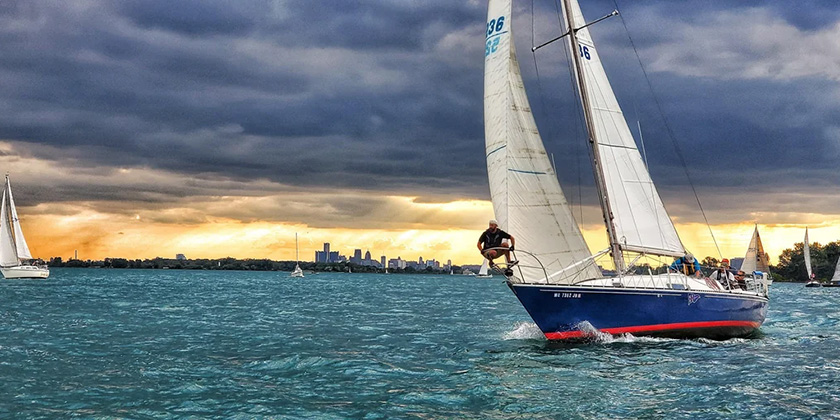
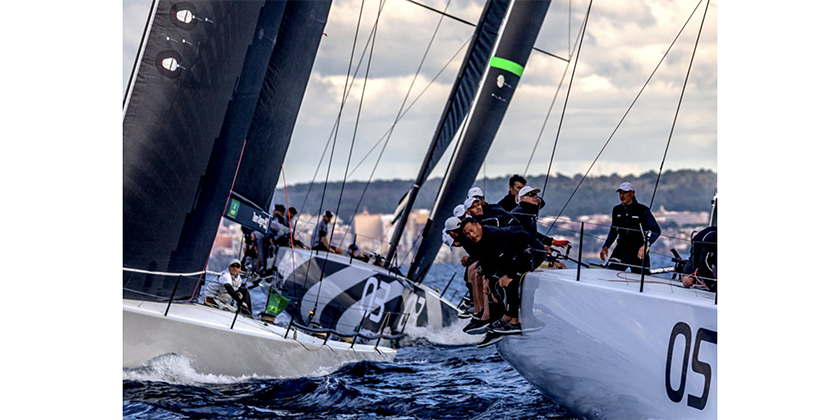
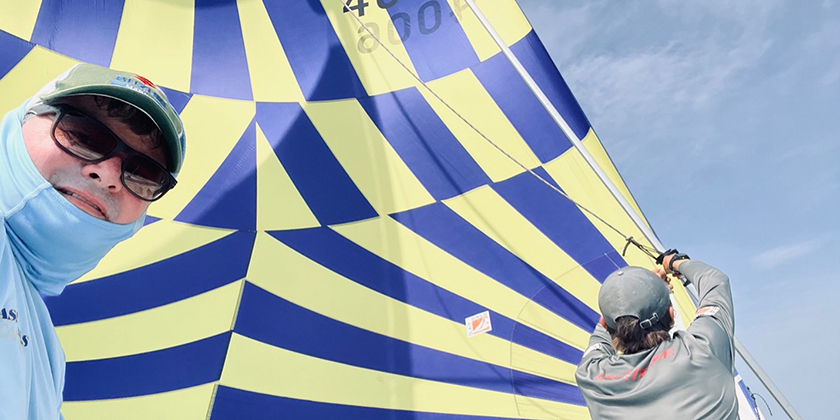
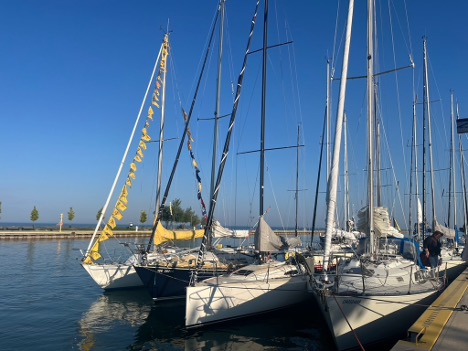
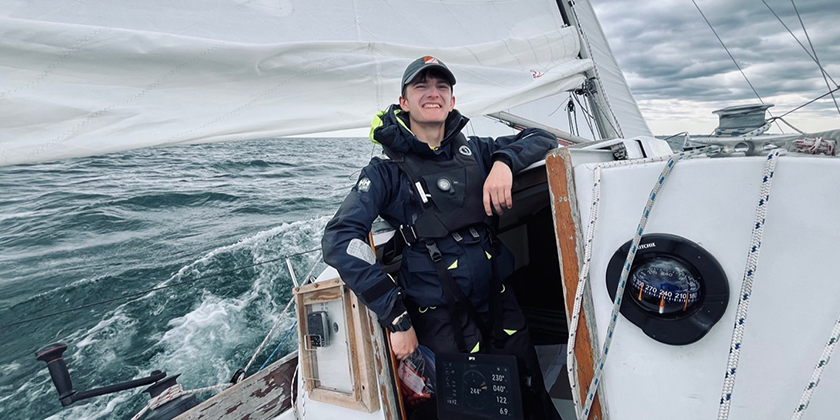
Last season, my son and I took part in the Lake Ontario Short Handed Racing (LOSHR) series. This series of six races includes medium distance races, point to point races, and an OSR Cat 3, 100 mile race. There is also the option with Lake Ontario Offshore Racing (LOOR) to do the Susan Hood Overnight race and either the Lake Ontario 300 or 600 mile race. We were lucky enough to do the Susan Hood, the six LOSHR events, as well as another double handed race at the end of the season.
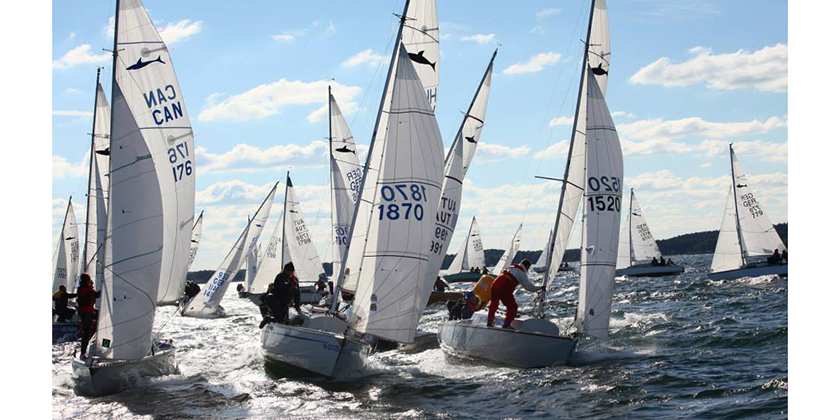
I’m used to racing one design regattas, and I have to say that I really enjoyed the atmosphere and camaraderie of the double and single handed crowd. The short handed sailors are definitely ready to talk to someone other than their crew after a long race!
Tips
- Mark your halyards and control lines with red line for all of your sail configurations. Knowing exactly where a halyard or controls need to be set with a reef and a #4 jib makes the sail change quick and safe. To accommodate varied hoist lengths, consider having pennants installed on them so the hoist is the same back at the winch and clutch.
- Food and snack planning makes every race better. Boil up some water before the race or when the sailing is easy and store it in some Thermos bottles to make a quick hot drinks fast and available when you need it. Instant honeyed ginger drink belongs in the cupboard along with tea, coffee and hot chocolate. One of our competition (thanks Brooks!) has been dropping off a bag of chopped up watermelon on the hot days before the race, and that really helps with staying hydrated.
- Learn your instrumentation BEFORE you go racing with it. Make sure you get your waypoint arrival alarms set at a reasonable distance and learn how to silence and turn on your AIS alarms. Continuous alarms that aren’t needed all of the time can ramp up the stress level. I think everyone suffered one day when someone lit off their AIS PLB somewhere between Whitby and Peterborough and it kept popping up with an alarm every 10 minutes.
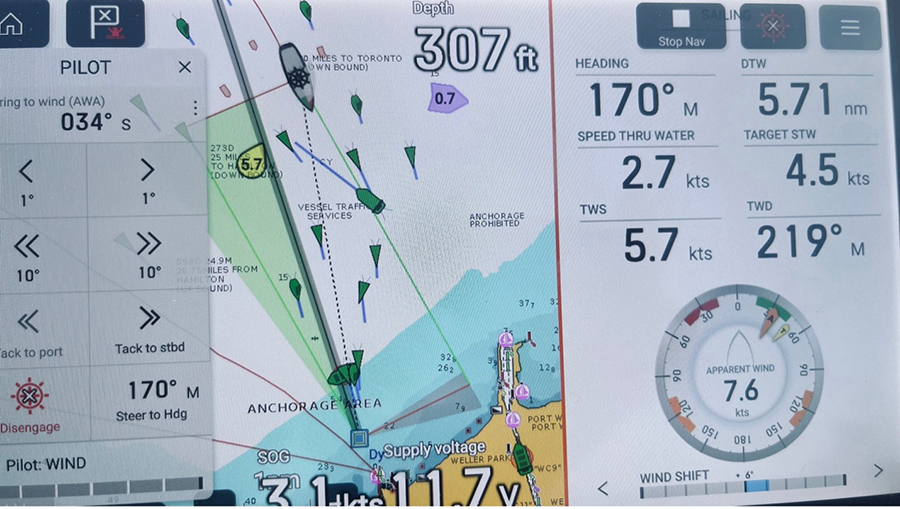
- Learn your autopilot and all of the modes. Upwind beating, you usually want to use steer to apparent wind. Make sure you keep notes on what angles work best for various conditions. On our boat it varies from as broad as 40 apparent in slop and as tight as 26 apparent when the breeze and wave state allows. When putting in a mainsail reef, consider bumping the course broader, or steer to compass heading on the auto to make life easier. When headsail reaching, switch over to compass or navigation mode to keep the boat settled when surging or surfing on waves. Downwind, generally use true wind direction to make keeping up with trimming easier. If you are seeing lots of current affecting your course, see if you can use navigate to waypoint to your advantage or not.
- Take notes of the sail configurations, trim points for as many conditions that you can. You can turn these notes into sail plan files you can upload into your navigation system. If you can’t get a polar table for your boat, consider taking notes of the true wind strength, true wind angle, and boat speed and make your own. I don’t recommend slavishly trying to sail polars, but it is a good gut check on what you are doing.
- Keep a simple watch system that allow lots of opportunities to rest and update your navigation and weather plan. The best system for the LOSHR events we have found is to switch person in charge every five miles. This keeps everyone fresh, fed and dry. It is more fun to grind down the miles, than it is watching a clock count down!
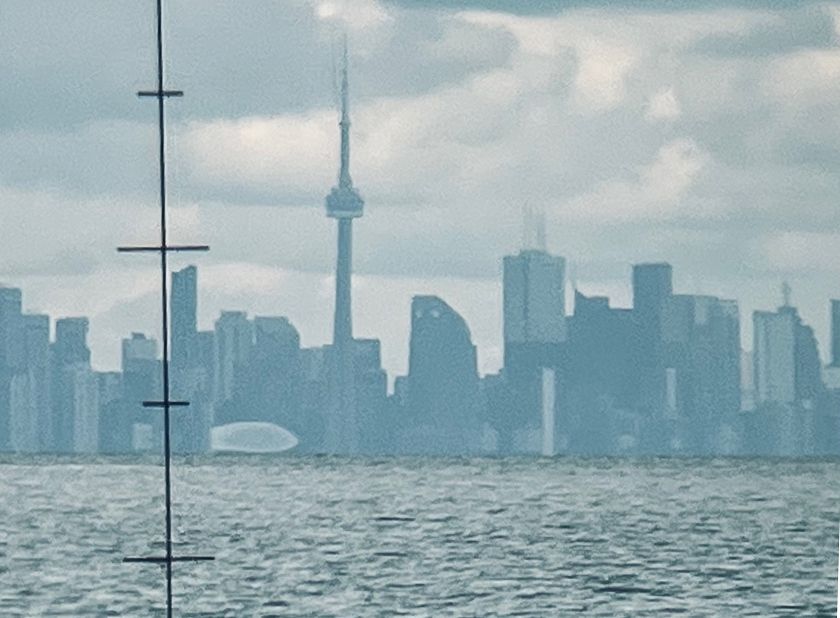
- Make sure you have a note board on deck to write down bearings and distances between waypoints of the course and write down your rounding times and any other notable events. I have an acrylic guard over some instruments with lots of space to write this down in permanent marker. Don’t worry, you can wipe it off with stove alcohol when you are done!
Try different sail configurations, you have lots of time to try stuff. See how high your different spinnakers can go, try using furled headsails or staysails with them.
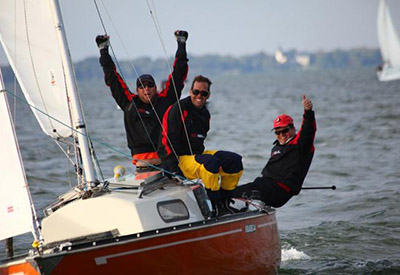
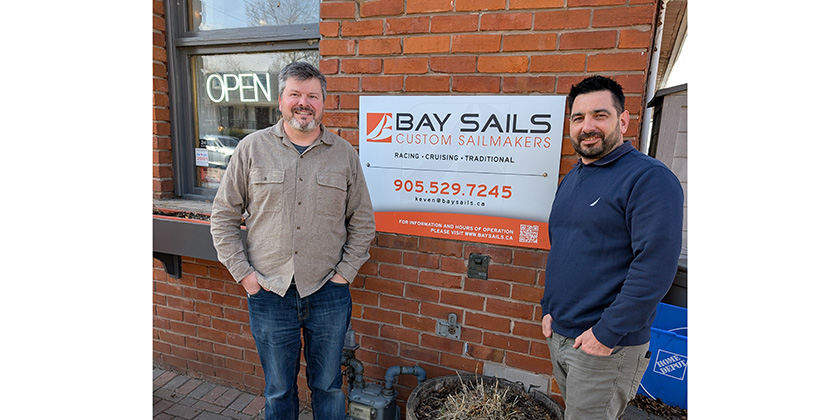
Keven Piper, two-time Shark 24 World Champion, founded Hamilton, ON-based Bay Sails in 1998.