The Rules Guy: Tacking
September 20, 2023
By Andrew Alberti
In a recent protest, it became clear to me that there is confusion about the rules related to tacking. Tacking is not defined in the rule book, but there are a few rules that either discuss tacking, or relate to what we commonly call “tacking”.
The first and most obvious rule is rule 13. The title of the rule is “WHILE TACKING”, though the word appears nowhere in the rule. The rule covers what we are often taught “don’t tack too close”.
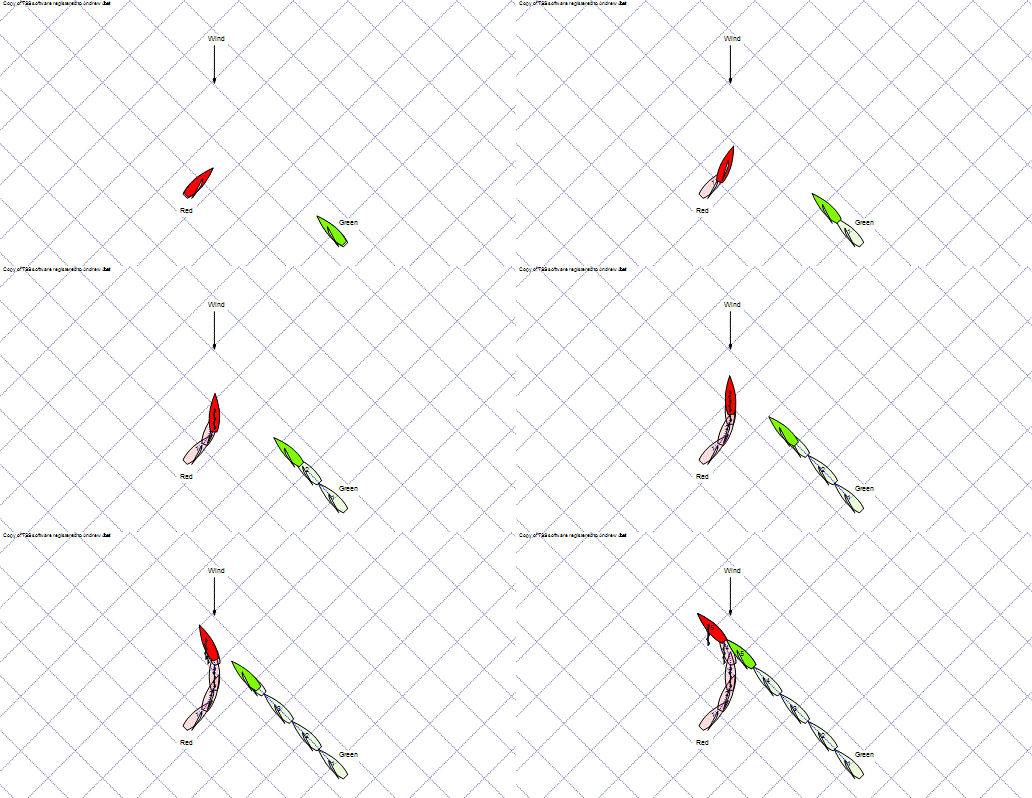
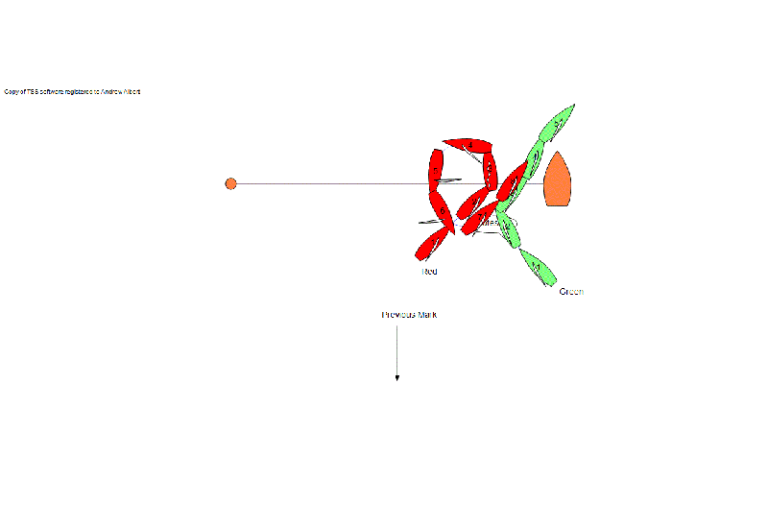
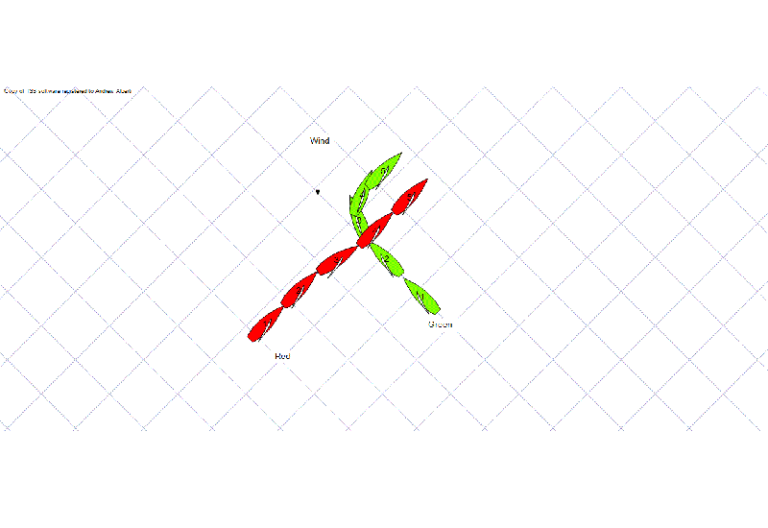
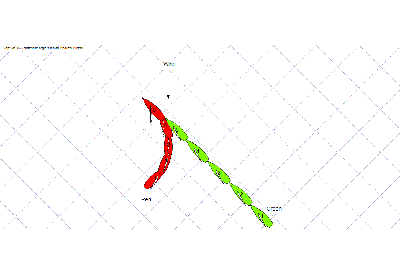
In the diagram we see Red, on port tack approaching Green on starboard. Red decides to tack in front of Green. From position 1 to position 3, Red is a port-tack boat and required by Rule 10 to keep clear of Green.
At position 3, Red is head to wind. She is according to the definition of Leeward and Windward, still on port tack, since the starboard side was most recently away from the wind. Rule 13 starts immediately after position 3, from the point where she has passed head to wind. Rule 13 continues until position 5 when she is on a close-hauled course. It does not matter whether her sails are luffing, as they are in the diagram, or if her sails filled earlier or later. The end of “the tack” or more accurately the end of rule 13, is when she reaches a close-hauled course.
While rule 13 applies, the other right-of-way rules, rules 10, 11 and 12 do not apply. As soon as Red gets to a close-hauled course they start to apply. In this case Green is clear astern, so required by rule 12 to keep clear of Red. Since this obligation has only just started, some other rules apply as well. Rule 15 says that since Red just acquired right of way, she has to initially give Green room to keep clear. In this situation Red “tacked too close”. She has either broken rule 13, if the contact occurs before the Red was on a close-hauled course, or broken rule 15, if the contact occurs immediately afterwards.
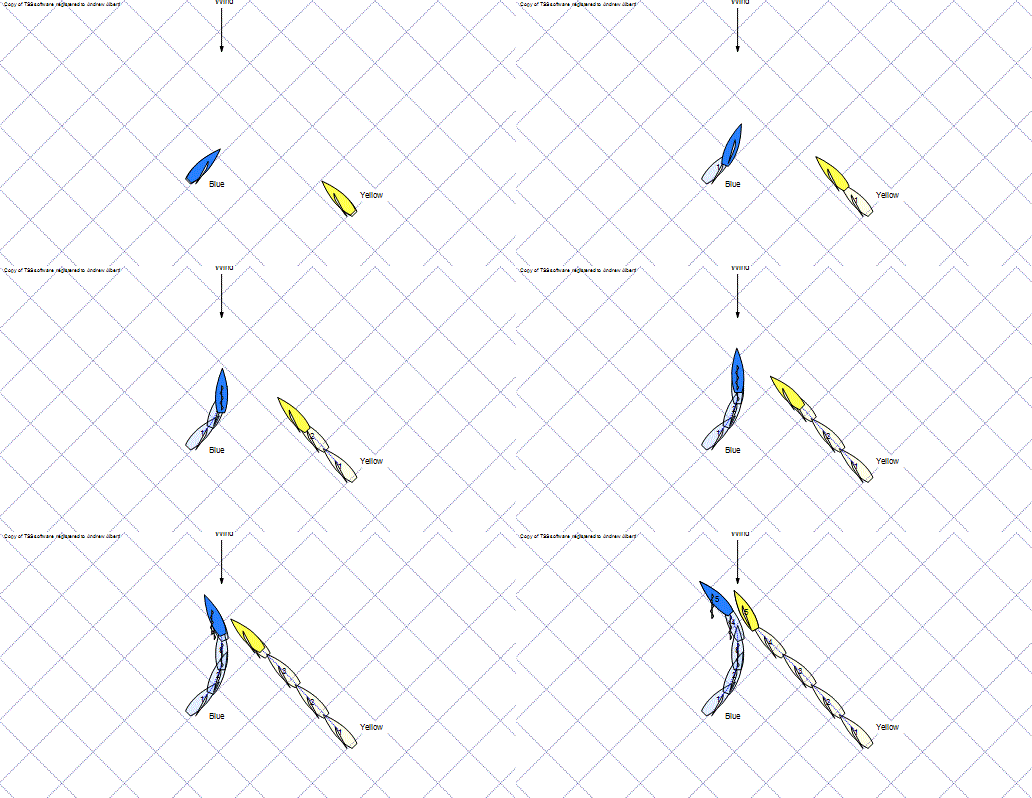
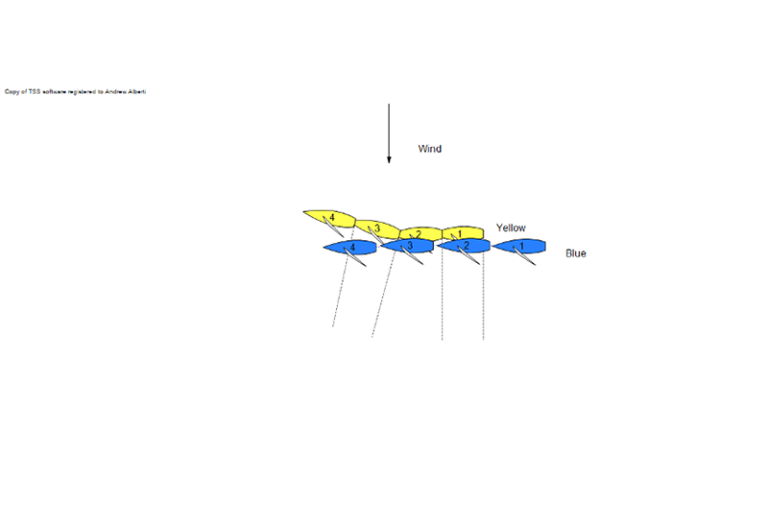
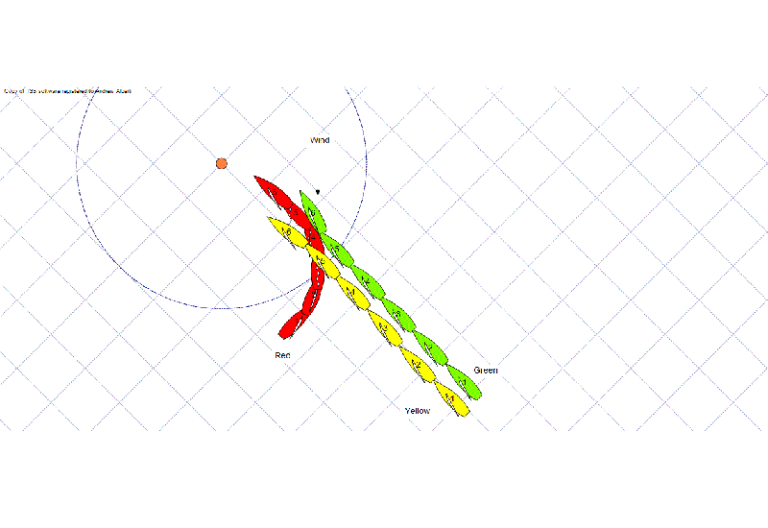
The second diagram shows a very similar situation. This time Blue tacks a little further to leeward and Yellow is a bit closer. Blue becomes the leeward boat at position 4, but still has to keep clear of Yellow, until Blue gets to a close-hauled course at position 5. In this case Yellow has altered course to avoid a collision before position 5. Blue has broken rule 13.
In summary for the purposes of rule 13, you are tacking from the time that you pass head to wind until you get to a close-hauled course, and you have to keep clear of boats that are not tacking. Make sure that there is room before you tack.
| Leeward and Windward A boat’s leeward side is the side that is or, when she is head to wind, was away from the wind. However, when sailing by the lee or directly downwind, her leeward side is the side on which her mainsail lies. The other side is her windward side. When two boats on the same tack overlap, the one on the leeward side of the other is the leeward boat. The other is the windward boat.
Tack, Starboard or Port A boat is on the tack, starboard or port, corresponding to her windward side. Windward See Leeward and Windward. 10 ON OPPOSITE TACKS When boats are on opposite tacks, a port-tack boat shall keep clear of a starboard-tack boat. 11 ON THE SAME TACK, OVERLAPPED When boats are on the same tack and overlapped, a windward boat shall keep clear of a leeward boat. 12 ON THE SAME TACK, NOT OVERLAPPED When boats are on the same tack and not overlapped, a boat clear astern shall keep clear of a boat clear ahead. 13 WHILE TACKING After a boat passes head to wind, she shall keep clear of other boats until she is on a close-hauled course. During that time rules 10, 11 and 12 do not apply. If two boats are subject to this rule at the same time, the one on the other’s port side or the one astern shall keep clear. 15 ACQUIRING RIGHT OF WAY When a boat acquires right of way, she shall initially give the other boat room to keep clear, unless she acquires right of way because of the other boat’s actions. |
 Andrew Alberti is an International Judge and National Umpire. He is a member of the Sail Canada Rules and Appeals Committees. Send your questions to Andrew at kyrules@alberti.ca